

S.M.A.R.T. goals – What does the acronym mean?
I bet you’ve come across this term a thousand times already. If you search around the internet, the acronym S.M.A.R.T. is given many different definitions. But when it comes to nutrition and fitness, I believe the most important characteristics of a goal should be the following:
- Specific
- Measurable
- Action-oriented
- Realistic
- Trackable / Time-bound
Now, what do these words mean when we talk about a goal? Let’s think of an example. Imagine that during the summer one of the things that went sideways with your healthy habits was the amount of alcohol you consumed. It’s the first thing that you want to “fix” now that summer is in the rear-view mirror. But “I need to cut down on alcohol” is not a goal, it’s a thought.
Here’s how you make this goal SMART:
“I’ll cut down on alcohol.”- Specific: “I will only drink alcoholic drinks on weekend nights.”
- Measurable: “I will only drink one glass of wine every Friday and Saturday night.”
- Action-oriented: “I will not keep any alcohol at home and only order what I committed to drink when I go out on weekend nights.”
- Realistic: “I feel I can succeed with this goal because on weekdays I’m usually tired, I sleep early, so I won’t get tempted to drink any alcohol.”
- Trackable: “I will keep track of how much alcohol I consume in a week and I’ll ask my spouse/partner/friend to keep me accountable.”
- Time-bound: “I will reach this goal by the end of November because Christmas holidays will make it more difficult for me to succeed.”
That’s just an example, of course, and because alcohol can be an addictive substance, let me stress out that we’re talking about people who just happened to drink a little more than usual during their summer vacation, not about people who are addicted and may be in need of professional help.

How to make all your goals S.M.A.R.T.
Specific, Measurable and Realistic are the cornerstones of your goal-setting technique and its success. A vague and ambiguous goal such as “I need to eat healthier” has very low chances to be achieved. “I need to start eating more vegetables” is not measurable and you may feel you’ve achieved your goal if you ate one salad this week. “I will never eat sweets again in my life” is not realistic if you have a sweet tooth. You need to search for healthier alternatives and make these your goal.
Goals that are met with success are usually action-oriented. This means that we need to tie this goal to a plan, to all the actions that we need to take in order to make it attainable. Eating more vegetables for example requires us to go to the market and purchase them and actually prepare or cook them.
Trackable goals are also easier to reach because we can actually track our progress. A measurable goal is most of the times able to be tracked, so what this characteristic really means is for us to actually track it. The way is not really important and it does not always need to involve numbers. Eating healthier is not only about weight loss, for example, and is not measured by the number of the scale. Not to mention that numbers usually feel stressful or upsetting for some people. There are other indications of a healthy diet like more energy, better sleep, health indexes and many others.
Time-bound is not always applicable but usually a time frame helps with planning ahead. Don’t make it strict, though. Be prepared to make changes if you need to. A time-sensitive action plan should be flexible simply because life happens and sometimes it’s unpredictable.
Strategies for success
Now that we understand how SMART goal-setting works, there are a few more things that you need to keep in mind before you set out to set your own goals and actually succeed.
- Pursuit one goal at a time. Healthy eating and exercise involve lots of habits that if we try to establish simultaneously, we’ll be overwhelmed and probably fail to most of them.
- Start by the easier or the most important. This depends on your personality. If you’re more of an over-achiever and you like crossing out goals one after the other, you’ll meet the easiest goal in no time and move on to the next with confidence. But if you’re more of a perfectionist and you tend to be a strict judge of yourself, the goal that’s more important to you will be tantalizing you if you don’t see to it first, so you’d better start there.
- Praise and reward yourself for every little success. Each and every tiny step towards your goal is important and if you made it, you need to cheer for yourself. Acknowledge and celebrate your little everyday victories. They will motivate you to continue, try harder, keep focused and become more and more passionate about your success. But choose your rewards wisely. Make sure they are not counter-productive. Rewarding your 5-days-n-a-row of healthy eating habits with a huge bag of chips, or your one month of consistent exercise with a week off the gym are not good ideas.
- Create a supportive environment. No matter what you want to achieve, if you don’t have people who root for you around you, the odds won’t be in your favor. Ideally, you need people who share the same goals with you but this is not always possible. That’s why you need to include the people you trust the most to help you. Explain to them how important your goal is to you and ask for their help and support.
How technology can help you
Your computer and your smart phone can become part of your motivational team if you want them to.
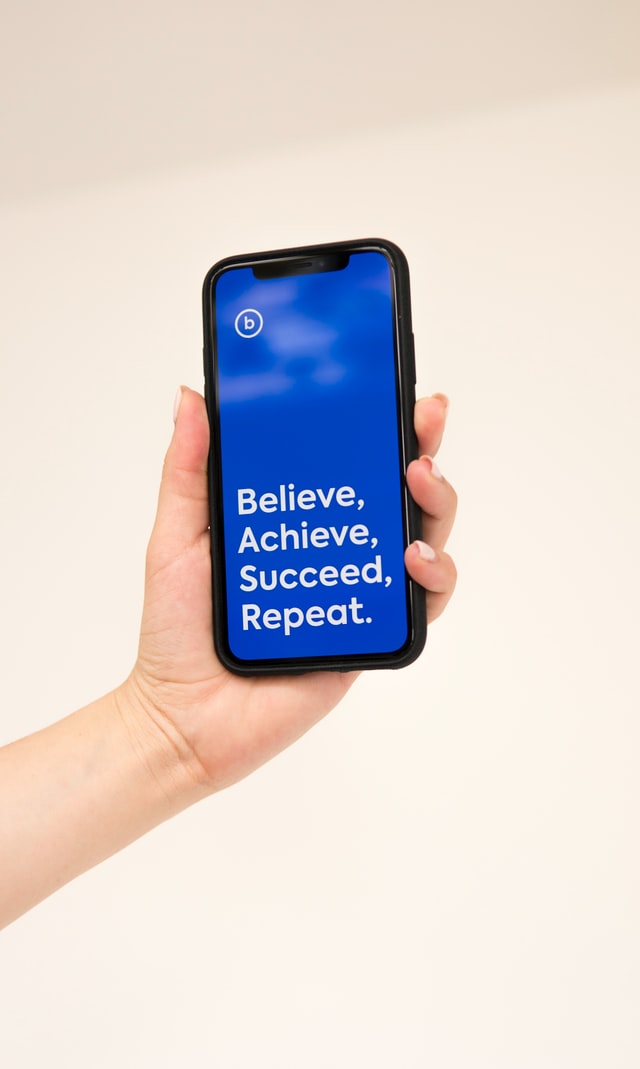
- You can use social media to access team and groups of people with the same goals and find support and exchange ideas. You can even seek a goal buddy with whom you can track your goals together and get some friendly competition.
- There are numerous mobile applications that can help you track your healthy eating and exercise goals. Find the ones that suit you and keep yourself accountable.
- When it comes to exercise, activity trackers and smart watches can seriously up the game of your fitness. And you don’t need to spend a fortune. There are affordable activity trackers that will give you all the basic information you need about your exercise sessions.
Now that you know how to create S.M.A.R.T. goals that are easier to achieve, think about all the things that you would like to change about your everyday habits. What’s the first thing that comes to mind?
Remember it’s just a thought! Now you know how to make it a goal and achieve it!


